We have to evolve if we are to survive.
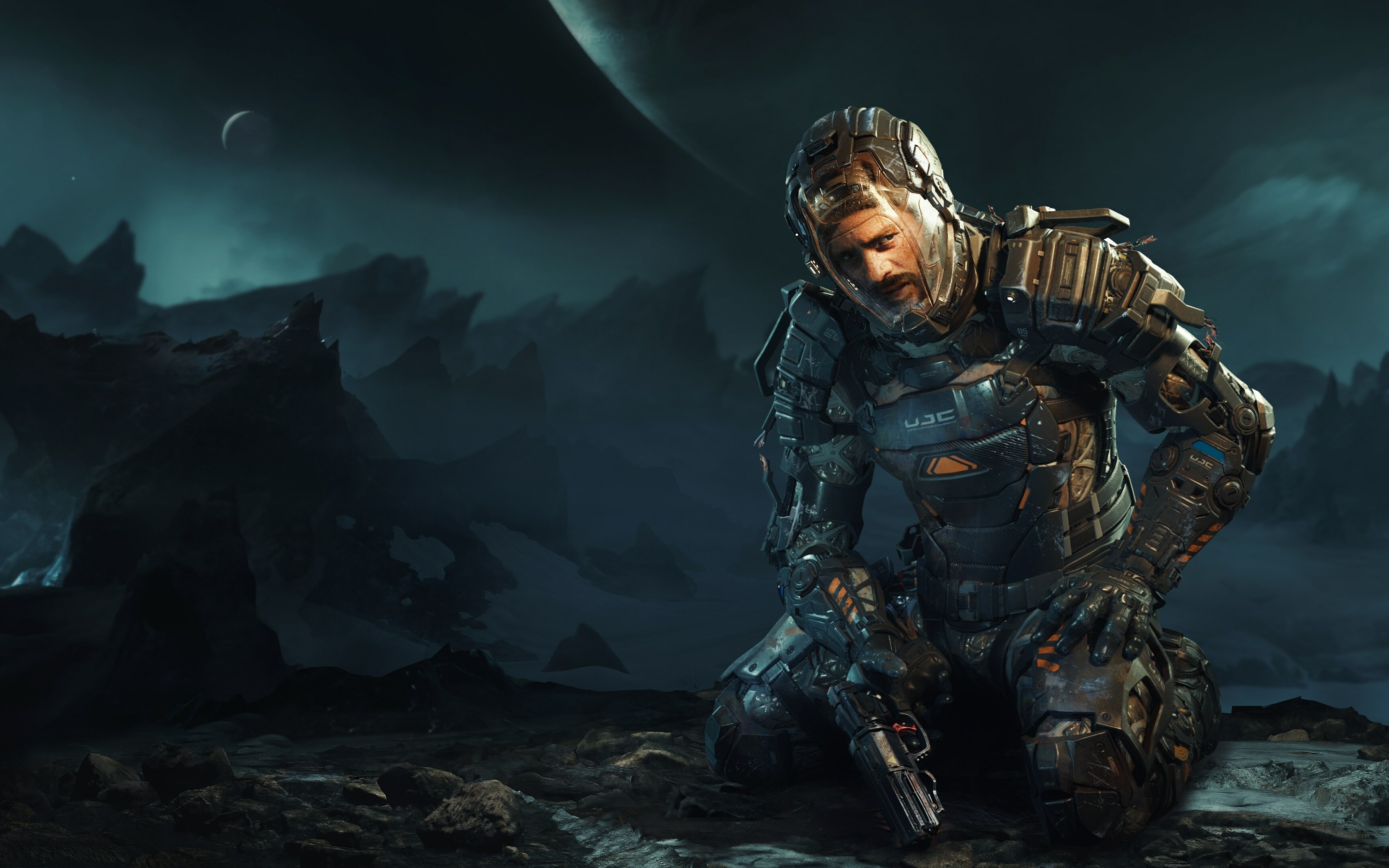
When first unveiled, The Callisto Protocol appeared as a promising successor to Dead Space, presenting a familiar yet intriguing premise. As our main character gets stuck in this creepy, tech-filled maze of sickness, he’s got to fight his way through some seriously nasty space zombies. It’s a rough ride, but if he wants to make it out alive, brutal is the name of the game. If anyone has picked up an entry in the dead space series, this premise might sound familiar. Yet, while there are similarities shared between the two, there are also some stark differences. These differences include a more melee focused combat system, and the ability to use stealth, neither of which the Dead Space franchise is known for. Does The Callisto Protocol stick the landing? Or do its inspirations still reign supreme? Let’s find out on Gaber’s Two Cents.

First and foremost, screen actor Josh Duhamel provides a charismatic and intense performance as our main protagonist, Jacob. With the occasional quippy one liner, and enough grunts and screams to instill a satisfying ambience into every crushing swing, Duhamel proves that the big screen isn’t the only setting his talent belongs.
The same can be said for fellow actor Zeke Alton, who portrays Elias. Elias serves as a guide of sorts for our imprisoned protagonist, providing heart and soul in the limited exposition within the game’s runtime. It’s unfortunate that he isn’t in the game more (Spoiler Alert: no comment), but his lack of screen time is compensated for with such a stellar performance.
With the heroes of Callisto delivering all-around decent performances, the spotlight naturally turns to the villains. Here’s the thing – there are villains, like the warden with devious ties to the infectious outbreak within the prison or the power-hungry head correctional officer who becomes infected but retains his freewill. However, these characters are scarcely seen throughout the entirety of the game’s playthrough. Whether it’s due to rewrites or budget constraints preventing an abundance of boss battles in this first entry, the finished product does leave a somewhat shallow impression when it comes to main antagonists.
Fortunately, most of these issues become an afterthought when the combat comes full circle. Callisto is no walk in the park. Watching your back and staying on your toes are crucial throughout your playthrough. Whether it’s turning a corner and a biophage bursting out of a vent beside you or innocently opening a loot chest only to have a crawler attach to Jacob’s face, death is always right around the corner. Learning from your mistakes and tackling a section with a better understanding of what went wrong the first time provides a consistently satisfying thrill that rarely gets old.
One minor gripe I had with combat revolves around the underwhelming satisfaction of using guns, compared to the visceral experience of bashing enemies to pieces with Jacob’s stun baton. The aiming can be quite clunky, transforming what should be an easy kill into a frustratingly grisly end for Jacob. While you eventually grow accustomed to the awkwardness, it’s worth noting when attempting to clear a room with guns blazing.
One major complaint that is worth noting is how useless the manual save system in this game is. In my first few hours playing I had just completed one of the games big combat encounters with several enemies spawning at Jacob from all directions. After a very tough battle, I was finally able to move on where I immediately made a manual save. Curious to see how accurate the saving system was, I exited to the main menu and then proceeded to load back in where I left off. To my surprise, I was loaded in about one minute before that combat encounter I had just struggled to beat. Turns out the manual save system is just cosmetic, which is hilariously frustrating, especially when players have to learn this the hard way. Instead, Callisto’s saving relies solely on autosaving after reaching certain areas within the game. While not game-breaking, it’s disheartening to realize this after conquering one of the tougher combat sections in the game.
It’s worth noting that Callisto is not a long game. While it’s not incredibly short, picking it up consistently won’t have you spending weeks trying to reach the game’s end. Personally, I didn’t mind this at all. Not every game needs to be a colossally overstuffed adventure that overwhelms more than entertains. Callisto strikes a nice balance with its combat encounters and roaming sections. By the game’s end, it achieves a unique balance, feeling just right rather than being too short or unnecessarily long.
All in all, The Callisto Protocol has some issues. Whether it be from absent villains, clunky gunplay, or a manual save system that doesn’t work, I still found myself entranced by this world that Striking Distance Studios has created. Through a reliable performance from Josh Duhamel, crushing brutal combat, and a difficulty that provides a consistently intense challenge, Callisto makes it clear that it is not simply Dead Space 2.0. All that and more is why The Callisto Protocol received this particular Cent Score.
Cent Score: 3 Cents
The pros outweigh the cons, sit back, don’t think too much and you’ll be fine.
Thanks for checking out this month’s Rojo pick. Feel free to tap the thumbs-up button and leave a comment below. Don’t forget to subscribe if you want to be notified of new posts each week. See you all next time on Gaber’s Two Cents.
 Gaber's Two Cents
Leave a comment