Hello Angel.
In what was to be a sure fire hit for both director Sam Levinson and the newly retitled streaming service, Max, HBO’s The Idol is a curious beast that finds genuinely interesting ideas within it’s material. However, with abrupt pacing, character development that doesn’t pay off, and occasional incoherent subplots, keep this series from reaching the superstar status it so desperately craves. Let’s find out how and why on Gaber’s Two Cents.
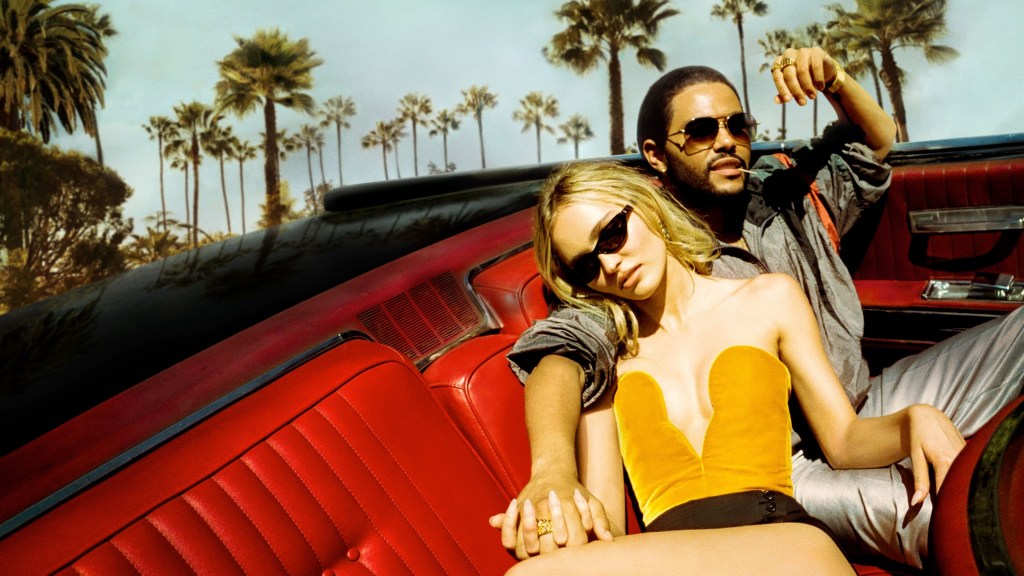
Fresh off of his other highly acclaimed HBO series, Euphoria, it is obvious that Sam Levinson was the right man for the job when intertwining themes of sex, celebrity status, and drugs with this new project centering on a well renowned pop star. For the most part, Levinson nails the aesthetic he is attempting to represent. With saturated hues of orange dominating the camera lens, and more close ups on both stars Abel Tesfaye and Lily-Rose Depp than you can count. The look and feel of this twisted version of celebrity status is clear and present within every scene. Not to mention, producer Mike Dean’s main score for the show is both rousing and eerily haunting at the same time. The style is here, it’s what’s in between where the cracks within the foundation begin to show.
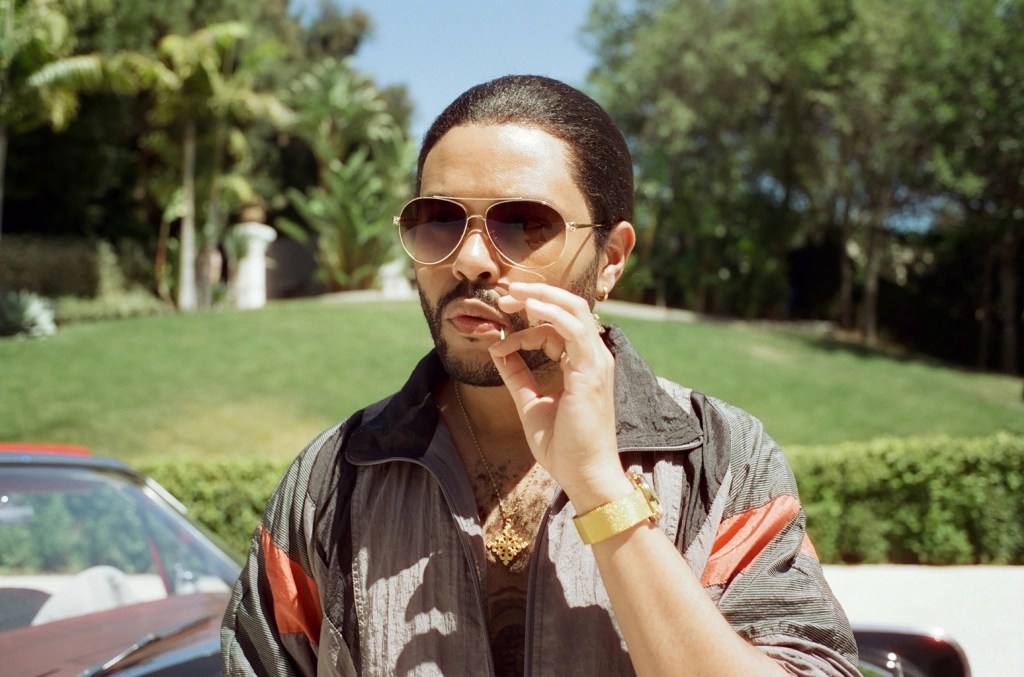
Real life pop star, Abel Tesfaye, otherwise known by his stage name, The Weeknd, has taken a lot of flack for his performance as the main antagonist, Tedros. While his acting style is certainly…different per say, he demonstrates quite well just how much of a parasite that his character is. Much of the criticism revolves around his particular line delivery, characterized by dialogue that is both demeaning and condescending. However, that is entirely the point of his character. Tedros is not a good person by any means, he feeds off of power and having complete control of others, and when that power is taken away, it reveals that he is nothing more than a sad, lonely, con man. Taken at first glance, The Weeknd’s performance is fine, and that’s all you can ask for for someone that has little to no previous experience. The real problems arise when the show attempts to backtrack and somehow redeem a completely irredeemable character, but we’ll get to that in a minute.

The main protagonist, Jocelyn, played by Lily-Rose Depp, is stellar in the leading role. Jocelyn is reminiscent of real life Pop Idols such as Miley Cyrus and Taylor Swift, and she pulls no punches when depicting the real life chaos involved in such a career. Thankfully, The Weeknd and Depp do have a somewhat twisted confounding chemistry that elevates the more average writing and plot mechanics used throughout the series. Like The Weeknd’s character, the problems begin to arise by the shows end when it’s revealed that Depp’s character might not have been as helpless as previously thought.
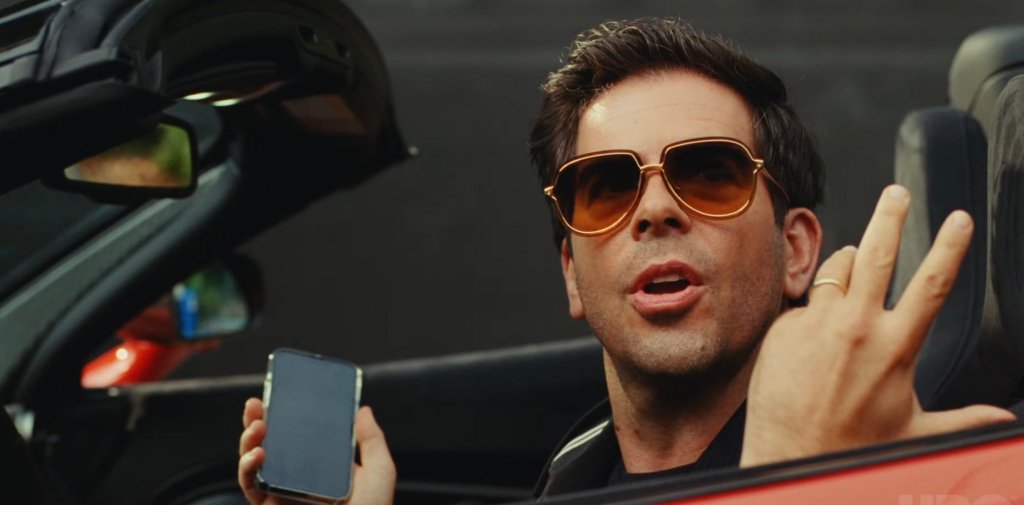
Strangely enough, the first and last episodes within the series are by far the weakest. With the first episode introducing us to a slew of supporting characters left and right. So much so that it can be quite overwhelming and hinder the audiences expectations of why we should care about these people. This becomes more apparent as the series goes on, some major players, like Jocelyn’s agent, played by body horror maestro Eli Roth, are made to appear like they are integral to the plot at hand. However, it’s hard to pull that off when they actually only appear with a limited amount of screen time throughout the shows length. It’s odd choices like these that make me question what exactly Sam Levinson was trying to demonstrate here. Not too mention Eli Roth simply does not have the acting chops to pull off such a role. With most of his dialogue coming off as whiney or pubescent, rather than painting the true power he has over Jocelyn’s career.
Have I mentioned how strange this series is? Seriously, with the first and last episodes being by far he weakest, the episodes in between are genuinely riveting. With the show truly finding it’s sweet spot and deciphering what it wants to be. It struts and flaunts this newfound spirit with confidence, and in turn provides some of the best television we at Gaber’s Two Cents have witnessed all year. However, you can’t have your cake and eat it too, and The Idol’s rocky start and abrupt landing make it very difficult to enjoy. You can have some of the most beautifully scored, atmospheric, and phenomenally performed episodes in the middle of a series, but all of that becomes redundant if the finish line is not what it was made out to be.
As previously mentioned, The Weeknd’s character is not a good person. Scum of the earth, not deserving of the air we breathe, whatever you want to call him, he fits the description. Which is why it is so mind-boggling that the show takes a complete 180 and attempts to make the audience feel bad for this character. Without going into too much detail, the character of Tedros has beaten Jocelyn with a brush to get the performance that he wants, repeatedly harassed women both verbally and sexually, and recruited underage girls into his cult-like “family”. Dumbfounded is the only word I can use to describe the absolute mishandling of such a character. Does every monster have qualities that make them relatable to some? Sure, but I don’t think the best way to execute such a risky plot maneuver is to sweep everything under the rug like nothing happened at all. Bold is not the word I would use to describe this decision made by Levinson, underserving is more accurate.
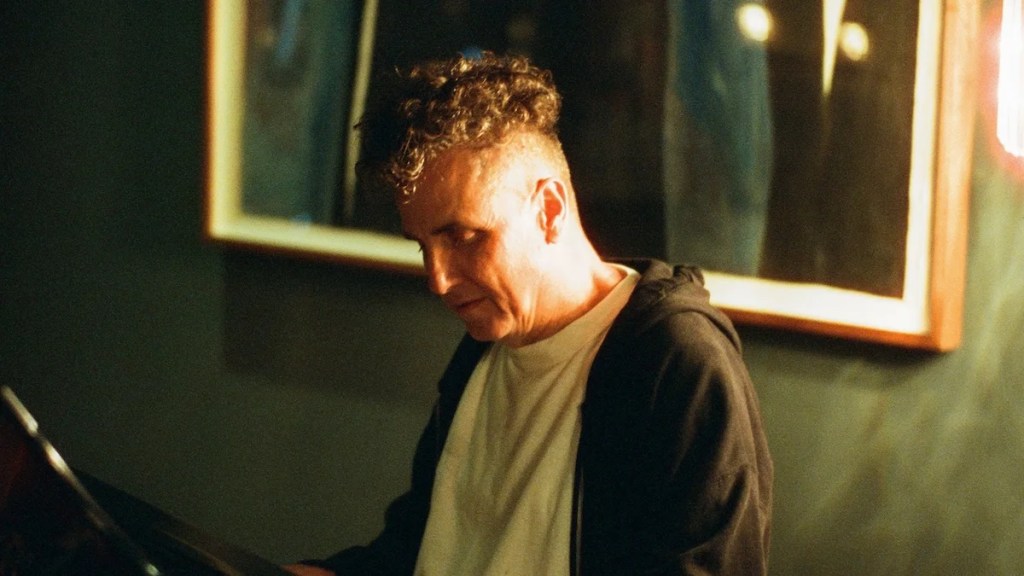
With this bizarre switch up comes the final reveal. Somehow, it is made clear right before the credits roll, that Jocelyn, not Tedros, was the one with true power throughout the shows gestation. This could have been a great final reveal, and it does somewhat help to make sense as to why Jocelyn keeps Tedros around, since they both become drunk with their power over others. However, it simply doesn’t work when you reflect on all of the heinous acts that Tedros has put Jocelyn through beforehand.
Greatness held back by bizarre story choices is one thing, but redeeming a character that is far too gone is another. The Idol wants to be a show that sets new trends, but when those standards are despicable, it ends up producing something entirely different, that in turn fumbles the message that it so desperately attempts to get across. All that and more is why The Idol received this particular Cent Score.
Cent Score: 2 Cents
A lackluster experience, offering nothing beyond mediocrity.
Thanks for checking out this week’s Film & TV piece. Feel free to tap the thumbs-up button and leave a comment below. Don’t forget to subscribe if you want to be notified of new posts each week. Make sure to check back next week for an all-new Comics piece. See you all next time on Gaber’s Two Cents.
 Gaber's Two Cents
Leave a comment